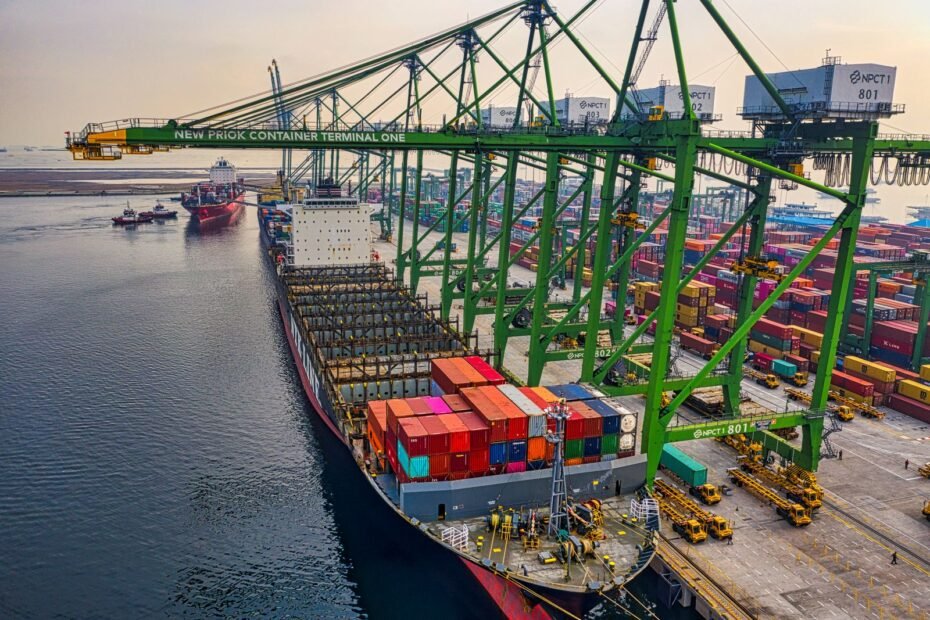
If you ship bulk cargo from Turkey to Italy, the right freight forwarder arranges the transport mode, port handling, customs paperwork and insurance so goods arrive on schedule and within budget. Sea freight is usually the cheapest option for heavy, bulky goods, while road and rail can win on speed and door-to-door convenience for certain loads. The best choice depends on cargo type, volume, deadline and the ports at both ends.
This guide explains how the Turkey to Italy trade lane works, compares the main transport modes, lists the ports and documents involved and gives you questions to ask before you hire anyone. It does not recommend specific forwarders, and rates change often, so request current written quotes from several providers.
Why the Turkey and Italy Lane Matters
Italy is described in several trade guides as one of Turkey’s largest trading partners, and goods move constantly across the Mediterranean in both directions. Turkey has a customs union with the European Union covering many industrial products, which can simplify duties for eligible goods. Agricultural and some other categories follow different rules, so confirm the treatment of your commodity before you ship.
What a Freight Forwarder Actually Does
- Books space with carriers and negotiates freight rates.
- Coordinates inland transport to and from the port or border.
- Prepares or checks documents such as invoices, packing lists and bills of lading.
- Handles or arranges customs clearance in the origin and destination countries.
- Arranges cargo insurance and tracks the shipment.
- Solves problems when delays, damage or inspections occur.
Transport Mode Comparison
| Mode | Best for | Strengths | Watch-outs |
|---|---|---|---|
| Sea (bulk or container) | Heavy, large-volume goods | Lowest cost per tonne, high capacity | Port handling times, schedule changes |
| Ro-Ro and trailer ferry | Palletised or trailer loads | Door-to-door with road haulage | Space limits in peak periods |
| Road | Time-sensitive or mixed loads | Flexible pickup and delivery | Higher cost for very heavy bulk, border and driver rules |
| Rail | Regular, scheduled volumes | Predictable and efficient on suitable routes | Limited route availability, transfers at terminals |
One trade guide quotes a rail transit time of roughly 10 to 15 days on a Turkey to Italy route. Transit times for any mode depend on origin, destination, season and handling, so ask your forwarder for a realistic range rather than relying on a single figure.
Key Ports
Common Turkish ports for exports include Aliaga and Izmir on the Aegean coast, Gebze in the Marmara region, and Mersin and Iskenderun in the east Mediterranean. Frequently used Italian ports include Genoa, La Spezia, Livorno, Trieste, Ravenna and Taranto. The best pair depends on where your cargo starts and where the buyer is, because inland haulage can add significant cost and time at either end.
Documents You Will Usually Need
- Commercial invoice describing the goods, value and terms of sale.
- Packing list showing quantities, weights and packaging.
- Bill of lading (sea) or transport document for road or rail.
- Certificate of origin or movement certificate, where needed to claim preferential duty treatment.
- Special permits or certificates for regulated goods such as food, chemicals or plant products.
Customs rules depend on the commodity and may change, so ask a licensed customs broker or your forwarder to confirm requirements for your exact goods.
Choose Your Incoterm Carefully
Incoterms define who pays for what and who carries the risk at each stage of the journey. Terms such as FOB, CIF and DAP shift responsibility for freight, insurance and import clearance in different ways. Agree the Incoterm with your buyer or supplier before you book transport, and make sure your forwarder quotes against the same term. The International Chamber of Commerce publishes its Incoterms rules as the reference.
How to Compare Forwarders
- Ask for itemised quotes showing freight, origin charges, destination charges, customs and insurance.
- Check experience with your cargo type, such as bulk minerals, steel, grain, textiles or palletised goods.
- Confirm coverage on both sides: Turkish origin handling and an Italian clearance partner.
- Review liability and insurance terms and ask what happens if cargo is damaged or delayed.
- Ask for references and trading history, and verify business registration and memberships.
- Clarify payment terms and any surcharges that may appear later.
Directory sites such as SeaRates’ Turkey logistics listings can help you find providers to request quotes from. Listing on a directory is not an endorsement, so do your own checks.
Reducing Cost and Risk
- Consolidate shipments to fill vessels or trailers.
- Book early for peak seasons.
- Pack goods to survive handling and humidity.
- Insure cargo for its full value plus freight.
- Keep documents accurate, since errors cause costly delays at customs.
Related Business Reading
If you are building supply-chain skills, our posts on finding a quality diesel supplier and hiring professional movers cover other practical logistics decisions.
Frequently Asked Questions
What is the cheapest way to ship bulk cargo from Turkey to Italy?
Sea freight is typically the lowest cost per tonne for heavy, high-volume goods. Total cost still depends on port charges, inland haulage and cargo type, so compare itemised quotes.
How long does shipping from Turkey to Italy take?
Transit varies by mode, route and season. Road, rail and sea can differ by days to weeks, and one guide cites about 10 to 15 days for rail. Ask your forwarder for a current estimate.
Do I need a customs broker?
Many forwarders offer customs clearance, either directly or through partners. For regulated or high-value goods, make sure a qualified broker handles clearance in Italy.
Which Turkish and Italian ports are most used?
Turkish exporters often use Aliaga, Izmir, Gebze, Mersin and Iskenderun. In Italy, common destinations include Genoa, La Spezia, Livorno, Trieste, Ravenna and Taranto.
Which documents are required?
Usually a commercial invoice, packing list and bill of lading or transport document, plus an origin or movement certificate where relevant. Specific goods can require extra permits.
Should I insure my cargo?
Yes, in most cases. Carrier liability is often limited, so marine or cargo insurance covering the full value is usually worth the cost.
Conclusion
For bulk cargo between Turkey and Italy, match the transport mode to your cargo and deadline, choose ports that minimise inland haulage, and agree an Incoterm before booking. Collect itemised quotes from several forwarders, verify their experience and insurance, and keep your documents accurate to avoid customs delays.

Sarah Wilson, an accomplished writer and seasoned blogger, weaves compelling narratives that transport readers to new and uncharted worlds. With a talent for vivid storytelling and thoughtful insight, her work leaves a lasting mark, enchanting both the imagination and intellect.