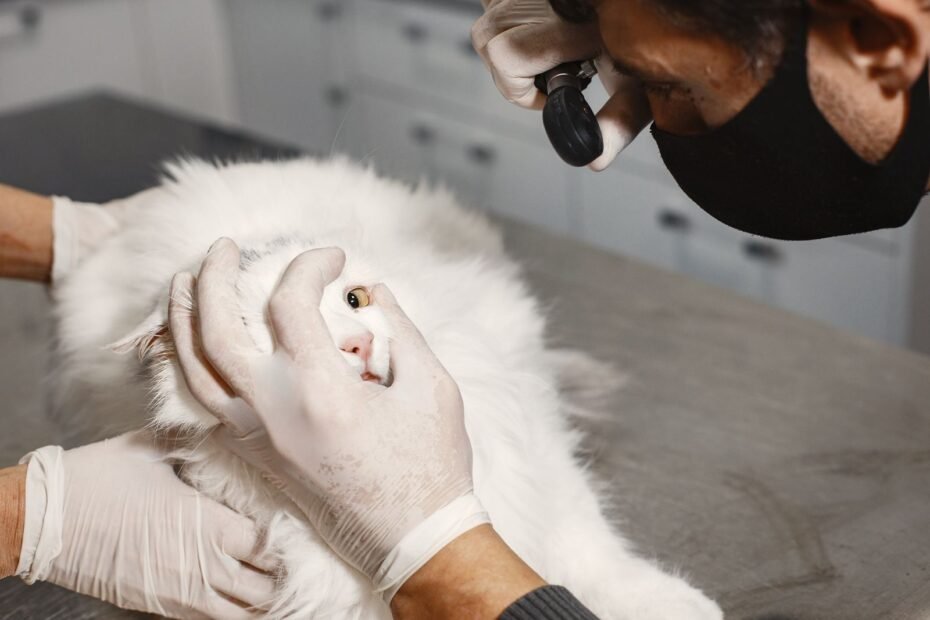
You cannot reliably tell whether a cat has rabies just by looking at it. Typical warning signs include sudden changes in behaviour, drooling, difficulty swallowing, weakness or paralysis, aggression or unusual friendliness, and a cat that seems disoriented. But many other illnesses cause the same signs, and rabies in a living animal can only be confirmed by a laboratory test on brain tissue after death. If you suspect rabies, keep away from the cat and contact a vet, animal control or public health authority straight away.
This guide explains what the early and later signs look like, how rabies spreads, what to do if you or your own cat has been bitten, and how vaccination prevents the disease. Rabies laws and procedures differ by country and state, so use this as general information and follow local professional advice. It is not a substitute for a vet or doctor.
Why Rabies in Cats Matters
Rabies is a viral disease of the nervous system. Once symptoms appear, it is almost always fatal. Public health sources note that cats are the most commonly reported rabid domestic animal in the United States, which is partly because many cats are not vaccinated and many roam outdoors. The risk is highest where wildlife such as raccoons, bats, skunks and foxes carry the virus.
It is also a danger to people. Rabies spreads through saliva, usually via a bite, and treatment for humans only works if given before symptoms start. That is why any possible exposure needs quick attention.
How Cats Catch Rabies
- Bites from infected wildlife. A fight with a rabid raccoon, skunk, fox or bat is the classic route.
- Bats in the home. Health agencies have documented bats entering homes and infecting indoor pets that had never been outside.
- Bites from another infected animal. This includes stray or unvaccinated cats and dogs.
- Saliva in an open wound. Even without a deep bite, saliva on broken skin can pass on the virus.
Outdoor cats that hunt are at higher risk than indoor-only cats, but indoor cats can still be exposed, which is one reason vaccination matters for every cat.
Early Warning Signs
The incubation period varies and can run from days to months. The first stage often looks like a mood change rather than an obvious illness. Look for:
- A shy cat becoming bold, or a friendly cat becoming withdrawn or irritable.
- Restlessness, hiding or seeming nervous.
- Fever, reduced appetite and lethargy.
- Licking or chewing at a bite site.
Vets and public health experts point out that these early signs are vague. A single sign like hiding or drooling is unlikely to mean rabies on its own. The picture changes when several neurological signs appear together and worsen day by day in a cat with possible wildlife exposure.
The Two Classic Forms
Furious rabies
A cat with the furious form can become very aggressive, attack without warning, growl or yowl strangely, and drool or foam at the mouth. It may seem fearless and may wander far from home.
Dumb or paralytic rabies
This form is often reported as common in cats. The cat becomes weak, confused, depressed and unsteady, and the jaw and throat may become paralysed. These cats are usually less aggressive, but you should still never handle them, because saliva can carry the virus.
Some cats show a mix of both forms, and the disease can move from one stage to another.
Later Signs
- Difficulty swallowing and heavy drooling.
- Loss of coordination, stumbling or wobbling.
- Seizures.
- Paralysis starting in the back legs or face.
- Coma and death.
Conditions That Can Look Like Rabies
Many problems mimic rabies, which is why a vet’s examination matters. An inner-ear infection can cause stumbling and loss of balance. Poisoning, head injury, other infections, toxoplasmosis and some metabolic illnesses can also cause confusion, drooling or seizures. A vet can look for these and ask about vaccination, wildlife contact and bites.
Can Rabies Be Diagnosed in a Living Cat?
No test on a living cat can confirm rabies. The standard confirmation is a lab test on brain tissue after death. For a living cat, vets rely on symptoms, vaccination history and exposure. Because of the risk to people, authorities may require euthanasia and testing for a cat that shows signs of rabies after a possible exposure, or a strict quarantine in some situations.
What to Do If You See a Cat With Possible Rabies Signs
- Stay away. Do not touch the cat, and keep children and pets away.
- Do not try to catch it. Call animal control or your local public health authority.
- If it is your cat and it is safe to do so, confine it in a room and call your vet before bringing it in, so staff can prepare.
- Avoid direct contact with saliva. If you must handle it, wear thick gloves and protect your skin.
- Write down details. Note when signs started, where the cat has been and any known contact with wildlife.
If You or a Pet Has Been Bitten or Scratched
For people
Wash the wound thoroughly with soap and running water for several minutes, then seek medical care straight away. Tell the doctor about the animal. Post-exposure treatment is highly effective if given before symptoms appear, so do not wait to see whether the cat gets sick. For wider guidance on injuries, see our article on dealing with serious personal injuries.
For a vaccinated cat bitten by a suspect animal
Contact your vet at once. Vets commonly advise a booster vaccination and close observation at home for a period set by local rules.
For an unvaccinated cat bitten by a suspect animal
This is a serious situation. Public health guidance often offers two options: euthanasia, or vaccination followed by strict quarantine for about four months. Your vet and local authorities will tell you what applies where you live.
If a cat that bit a person seems healthy
Many places require the biting animal to be confined and watched for about ten days. If it stays healthy for that period, it is considered not to have been infectious at the time of the bite. Your health department will give exact instructions.
Prevention
- Vaccinate. Public health guidance recommends a first rabies vaccine at about three to four months of age, followed by boosters on the schedule your vet sets. A current vaccine is the most important protection.
- Keep cats indoors, or supervise outdoor time, to reduce contact with wildlife.
- Seal your home. Check for gaps where bats could enter, and call a professional if you find one inside.
- Do not feed or approach wild animals, and report animals that seem sick or unusually bold.
- Keep records. Store vaccination certificates and know the date of the next booster.
For authoritative information, see the CDC rabies pages and a veterinary overview of rabies signs, diagnosis and prevention in cats. Rabies attacks the nervous system, and you can learn more about how doctors look at the brain in our piece on neuroradiology and stroke.
Frequently Asked Questions
How can you tell if a cat has rabies?
Watch for sudden behaviour changes, drooling, trouble swallowing, weakness or paralysis, aggression or odd friendliness and disorientation. These signs overlap with other illnesses, so only a vet and laboratory testing can confirm rabies.
Can an indoor cat get rabies?
Yes, though the risk is lower. Bats can enter homes and infect pets that never go outside. Keep rabies vaccines current for indoor cats, and call a professional if you find a bat in your home.
Can rabies in a cat be cured?
No. Once symptoms appear, rabies is almost always fatal, and there is no effective treatment for symptomatic cats. Prevention through vaccination is the only reliable protection.
What should I do if my cat is bitten by a wild animal?
Call your vet immediately and avoid touching the bite area with bare hands. A vaccinated cat usually gets a booster and observation, while an unvaccinated cat may face quarantine or euthanasia under local rules.
How long does it take for a cat to show rabies symptoms?
The incubation period can range from days to months. Early signs are often subtle behaviour changes, so any unexplained change after possible wildlife contact deserves a vet call.
Is a drooling cat a rabid cat?
Not usually. Drooling can result from dental disease, nausea, heat, poisoning or fear. Rabies is more likely when drooling comes with several neurological signs and a risk of exposure.
Conclusion
You cannot confirm rabies in a cat by appearance, but sudden behaviour change, drooling, paralysis and disorientation after possible wildlife contact are red flags that need immediate professional help. Stay away from the animal, wash any bite thoroughly, contact your doctor and vet, and keep your cat’s rabies vaccination up to date.

Sarah Wilson, an accomplished writer and seasoned blogger, weaves compelling narratives that transport readers to new and uncharted worlds. With a talent for vivid storytelling and thoughtful insight, her work leaves a lasting mark, enchanting both the imagination and intellect.